
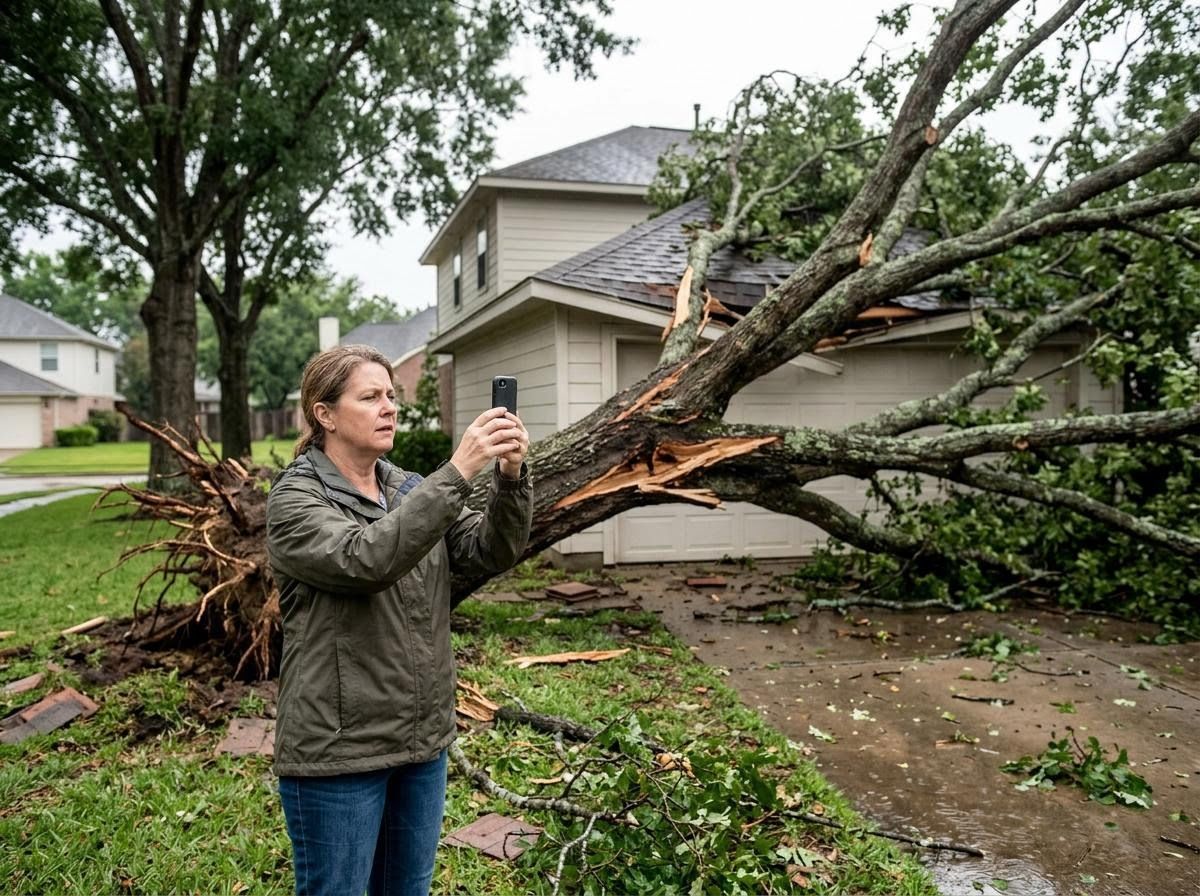
After a severe storm, finding a fallen tree on your property can be a daunting sight, quickly followed by the question: will your homeowners insurance cover the cost of removal? Understanding your policy's specifics can be complex, but knowing what to expect is crucial for a smooth recovery process. At Easy Tree Service, we aim to provide clarity on these common concerns so you can navigate post-storm cleanup with confidence and ensure your property remains safe and beautiful.
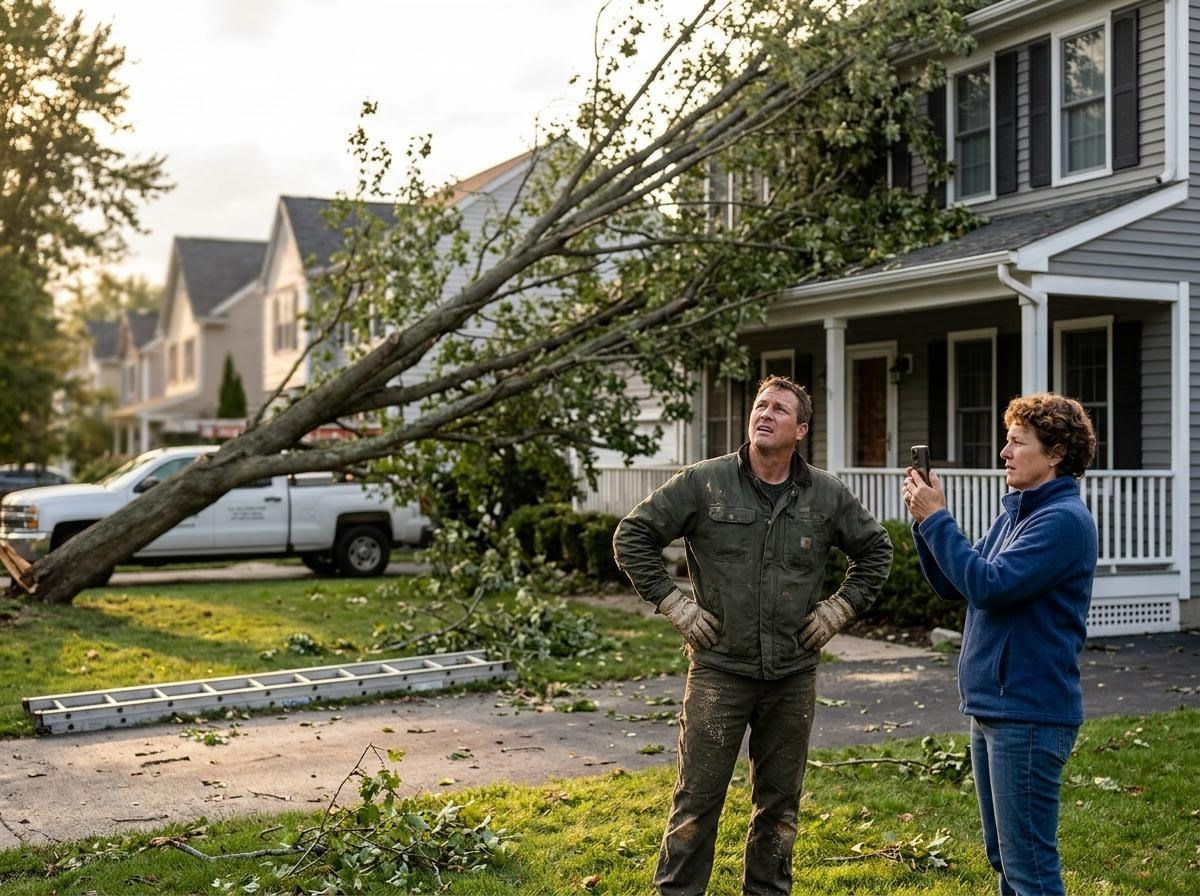
Deciphering Your Homeowners Insurance Policy
The short answer to whether homeowners insurance covers tree removal is: it depends. Policies vary widely, and coverage for tree removal is typically tied to the "cause of loss" and whether the tree caused damage to insured property. Generally, if a tree falls due to a "covered peril" (like wind, lightning, or hail, which are common storm-related events) and damages your home, garage, fence, or other insured structure, your policy is likely to cover the cost of removal and repair. However, if a tree simply falls in your yard without damaging any structure, coverage is less common and often has specific limitations or exclusions. Always review your specific policy documents or speak directly with your insurance agent to understand your coverage limits and conditions.
Common Scenarios for Insurance Coverage
Homeowners insurance usually steps in for tree removal under specific circumstances. For instance, if a tree falls directly onto your house, an attached garage, or even a detached shed, the cost of removing the tree to facilitate repairs to the structure will typically be covered. Similarly, if a tree blocks your driveway or a ramp designed for disabled persons, many policies offer limited coverage for its removal to restore access. It's also important to note that if a neighbor's tree falls on your property due to a covered peril, your insurance typically covers the damage, and they may then subrogate against your neighbor's policy if negligence is determined. However, if a tree falls due to neglect (e.g., an unhealthy tree that should have been removed) or simply because it was healthy but succumbed to an unlisted peril, coverage might be denied.
Immediate Steps After Storm Damage
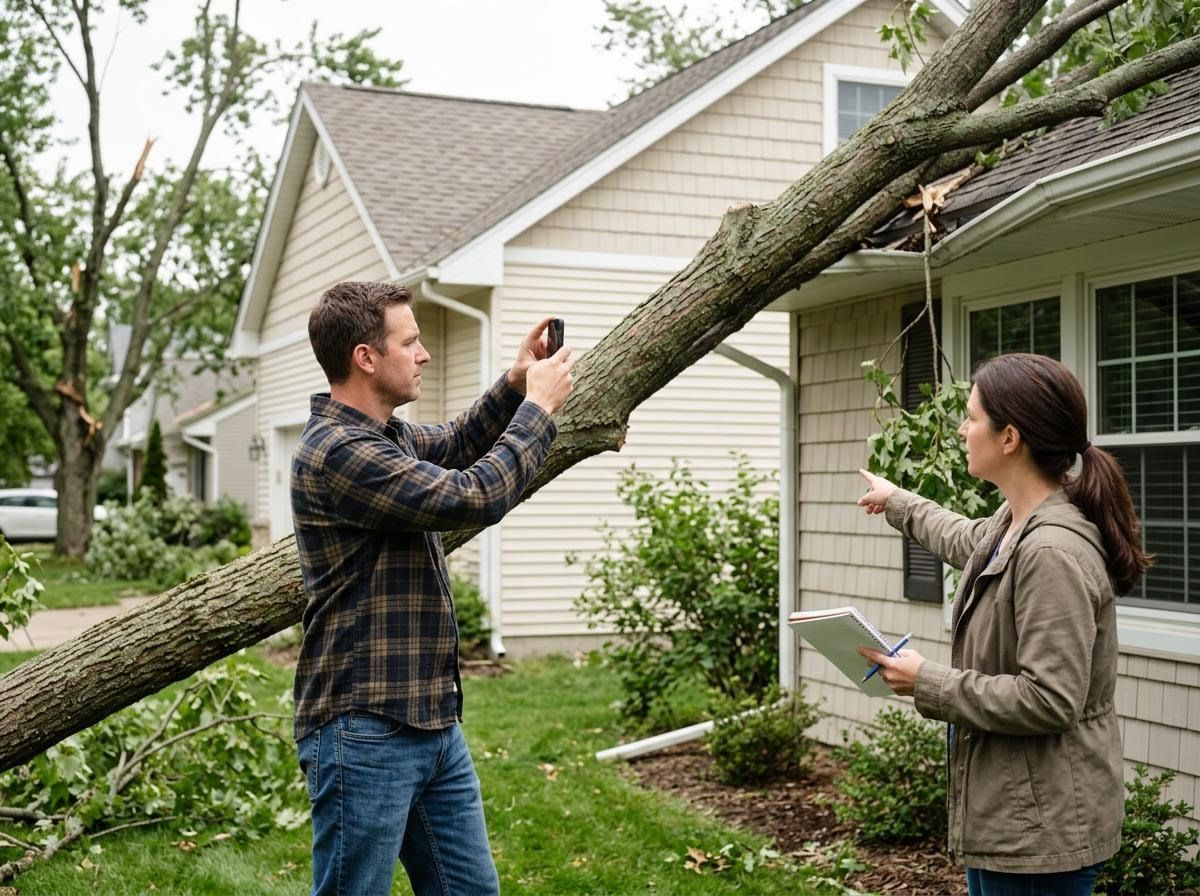
When a storm leaves a tree on your property, your first priority should be safety. Ensure no one approaches fallen trees, especially if there are downed power lines or gas leaks nearby. Once the area is secured and it's safe to do so, document everything thoroughly. Take plenty of photos and videos from multiple angles, clearly showing the tree, the damage it caused, and the surrounding area. This visual evidence is invaluable for your insurance claim. Next, contact your insurance company as soon as possible to report the damage and initiate the claims process. They will guide you on the next steps, which may include sending an adjuster to assess the damage. It’s often best to wait for their assessment before undertaking any significant cleanup or removal, unless it's necessary to prevent further damage and you have their explicit approval.
Navigating the aftermath of a storm and understanding your insurance coverage can be overwhelming, but with the right information, you can approach the situation effectively. Being proactive about understanding your policy and knowing the steps to take immediately after damage occurs can significantly ease the process. For a clear understanding of your options for safe and efficient tree removal and property restoration, Easy Tree Service is here to provide the professional guidance and support you need to restore your property. We encourage you to reach out to our team for expert advice on your specific tree damage situation.