
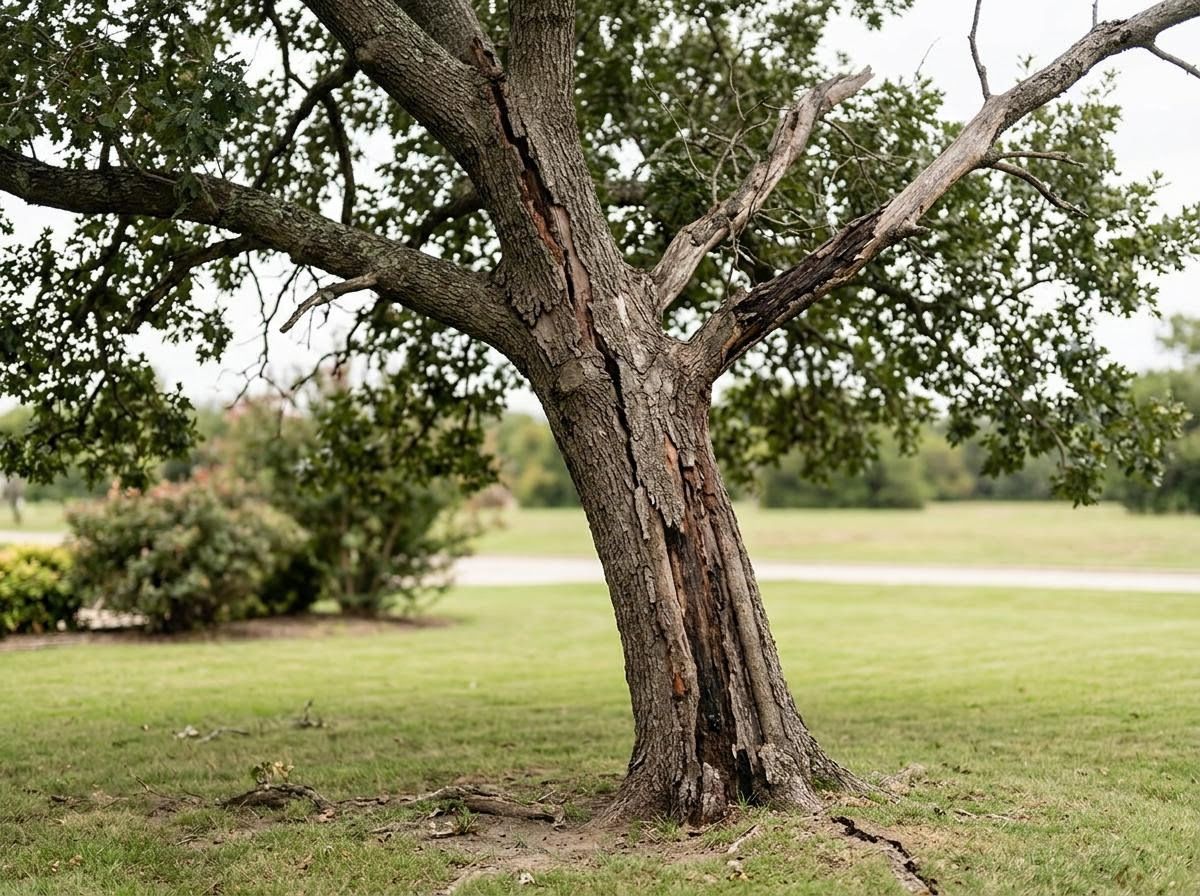
Trees are often the majestic centerpieces of our landscapes, providing shade, beauty, and a habitat for wildlife. However, an aging, damaged, or diseased tree can quickly transform from an asset into a serious liability, posing risks to your property and loved ones. Identifying these critical warning signs early can be the difference between a simple service and an emergency situation, ensuring your yard remains safe and beautiful. At Easy Tree Service, we believe that understanding these indicators empowers you to protect your home and prevent potential hazards before they escalate.
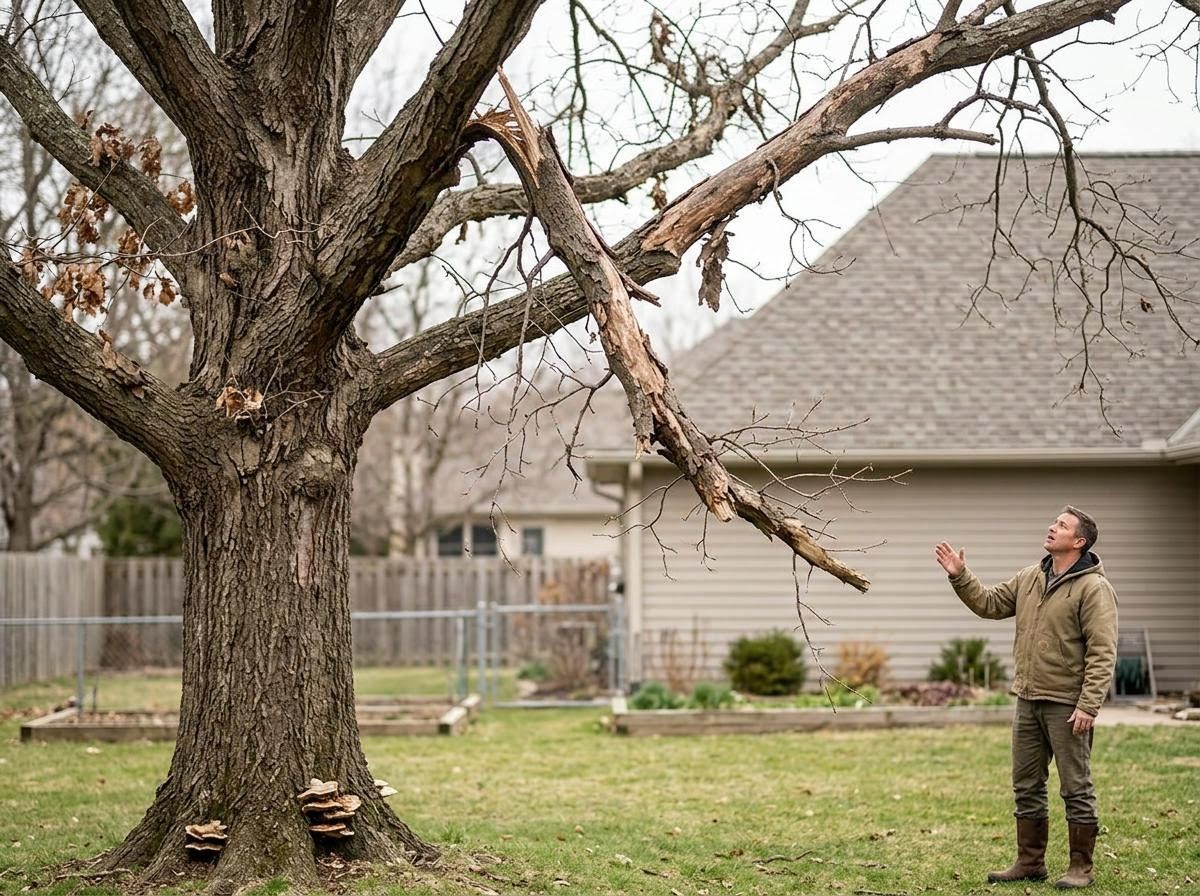
Sign #1: Dead or Dying Limbs
One of the most immediate indicators of a hazardous tree is the presence of numerous dead or dying branches. These limbs, often brittle and devoid of leaves, can break off without warning, especially during strong winds or storms, leading to property damage or personal injury. Look for branches that show no sign of life, have peeling bark, or are covered in unusual fungal growth. A tree with a significant portion of its canopy showing these signs is likely in distress and poses a greater risk.
Sign #2: Significant Lean or Trunk Damage
A tree that has developed a sudden, pronounced lean, particularly after a storm or soil saturation, is a major red flag for instability. While some trees naturally grow with a slight lean, a noticeable shift in angle or a tree that appears to be pulling the soil around its base indicates a compromised root system. Similarly, deep cracks in the trunk, splits in the bark, or large cavities can signal structural weakness, making the tree vulnerable to collapse. Pay close attention to any changes in the tree’s posture or the integrity of its main support.
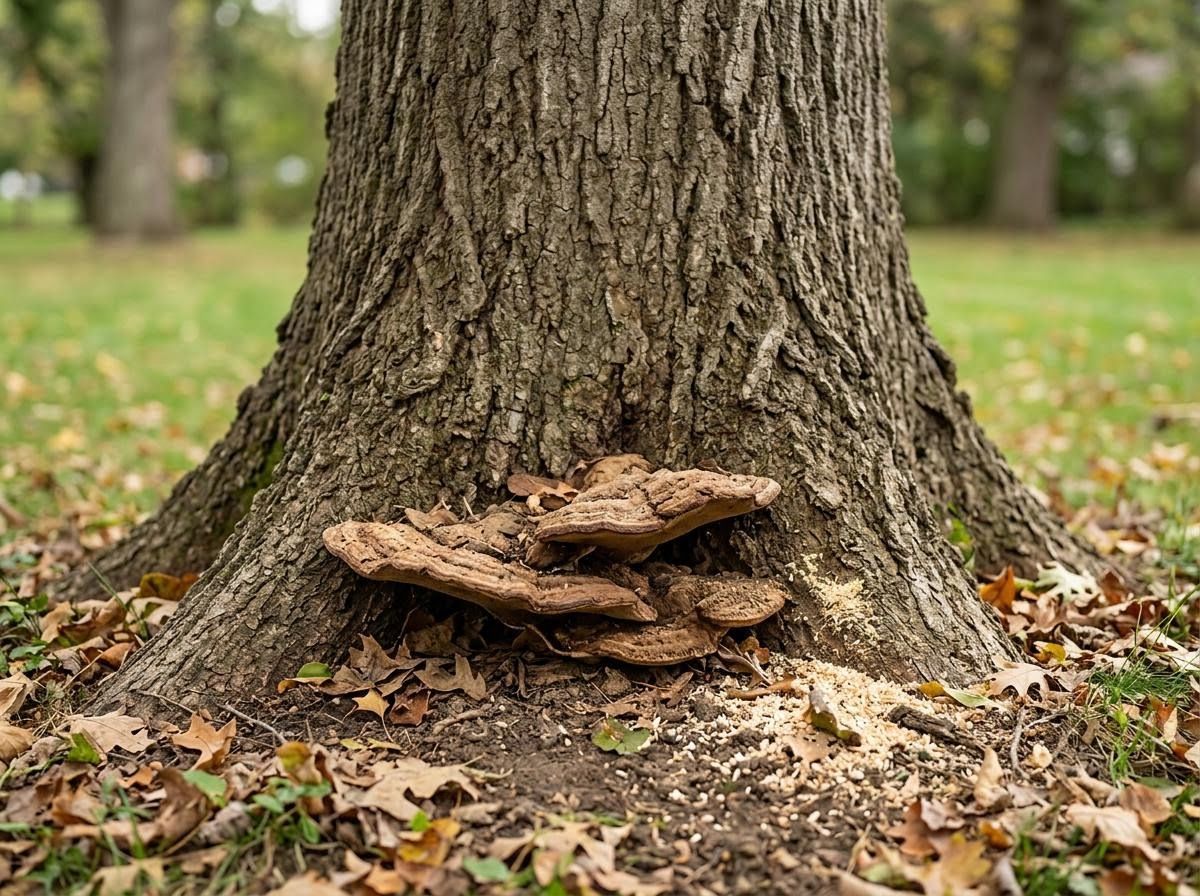
Sign #3: Visible Pest Infestations or Fungal Growth
Pest infestations, such as those from borers or termites, can severely weaken a tree from the inside out, compromising its structural integrity. Look for signs like sawdust near the base, small exit holes in the bark, or extensive insect activity. Similarly, large mushroom-like growths (fungi) at the base of the trunk or along branches can indicate internal decay. These organisms feed on the tree’s wood, hollowing it out and making it much more susceptible to breaking or falling.
Sign #4: Uprooted or Compromised Roots
The roots are the anchor of any tree, and problems here can indicate severe instability. Signs of root issues include soil heaving or cracking around the base of the tree, exposed roots that are rotten or broken, or roots that are actively interfering with driveways, foundations, or retaining walls. When a tree’s root system is compromised, its ability to stand upright, especially in adverse weather conditions, is significantly reduced, presenting a major fall hazard.
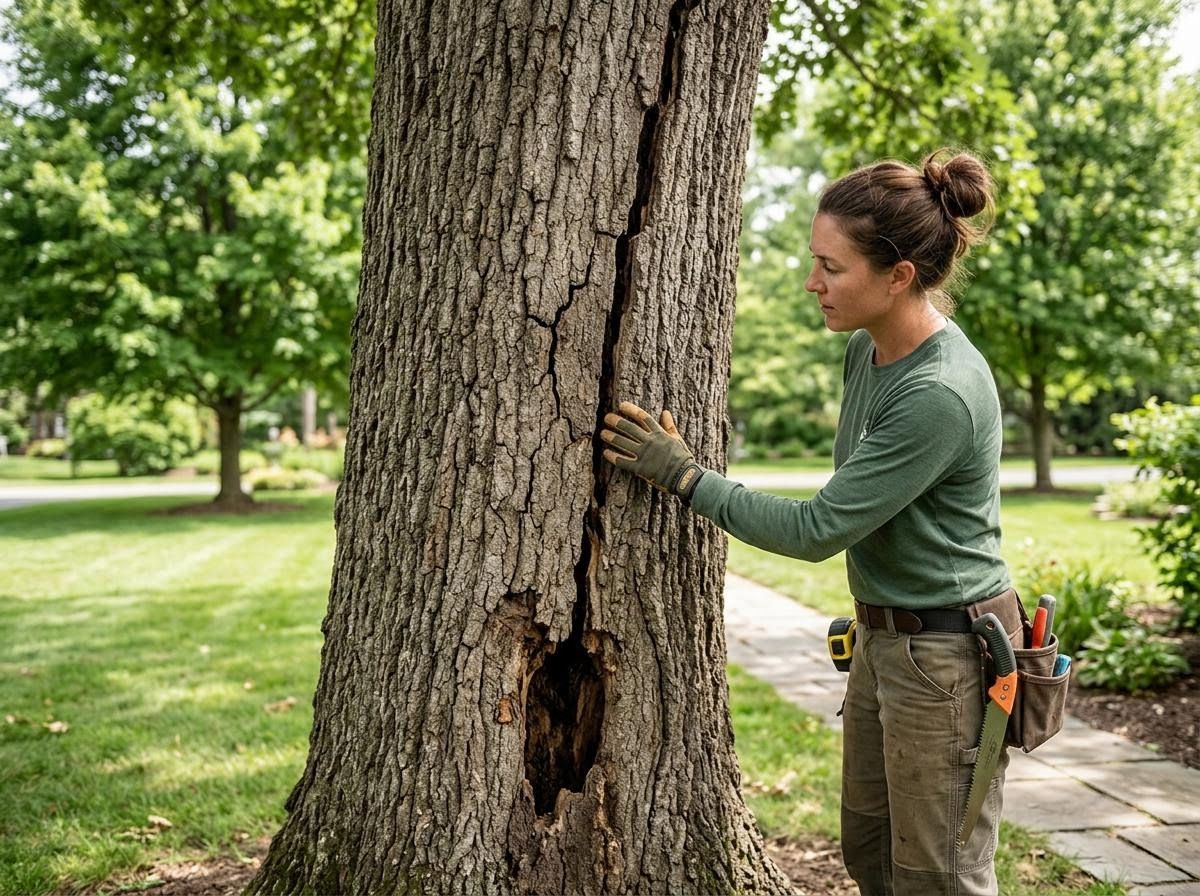
Sign #5: Cracks and Cavities
Beyond just a lean, specific types of trunk damage, such as vertical cracks or deep cavities, can be critical indicators. A vertical crack, especially one that extends deep into the wood, compromises the tree's structural strength, much like a crack in a beam. Cavities, often formed from decay or previous damage, reduce the amount of solid wood supporting the canopy. Both can act as weak points, making the tree prone to splitting or collapsing under its own weight or external stress.
Identifying these crucial warning signs early is essential for maintaining a safe and beautiful outdoor environment. Ignoring a hazardous tree can lead to costly property damage and put personal safety at risk. If you notice any of these indicators on your property, taking prompt action is key. For expert advice and reliable solutions, understanding the health of your trees and knowing when to call for professional assistance is always the safest approach.