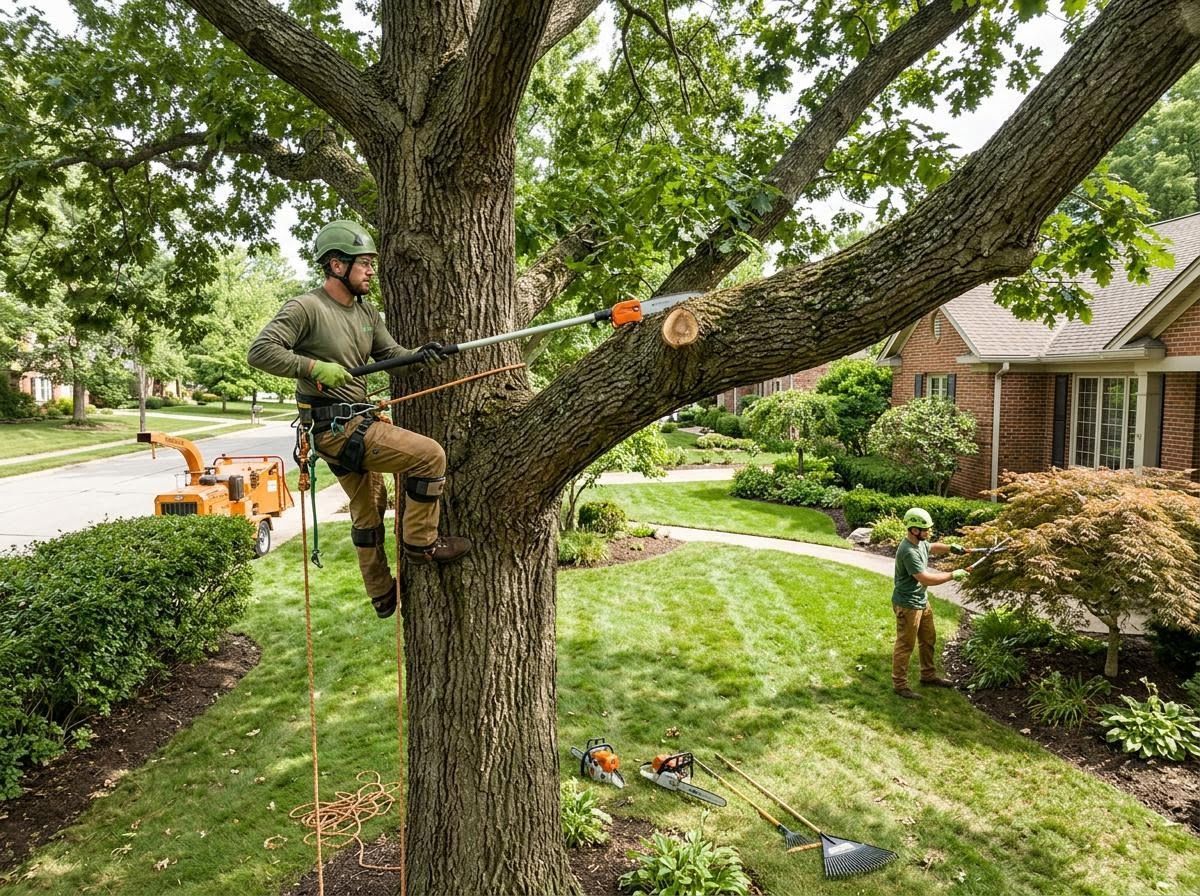
Maintaining a healthy and beautiful yard often involves caring for your trees, but understanding the specific needs of each tree can sometimes be confusing. Many homeowners use the terms "tree trimming" and "tree pruning" interchangeably, yet they refer to distinct practices with different goals and techniques. Knowing the difference is crucial for ensuring your trees thrive, your property remains safe, and your landscape looks its best. At Easy Tree Service, we believe that informed homeowners are empowered homeowners, and recognizing these distinctions is the first step toward effective tree care.
Unpacking Tree Trimming: Aesthetic and Maintenance
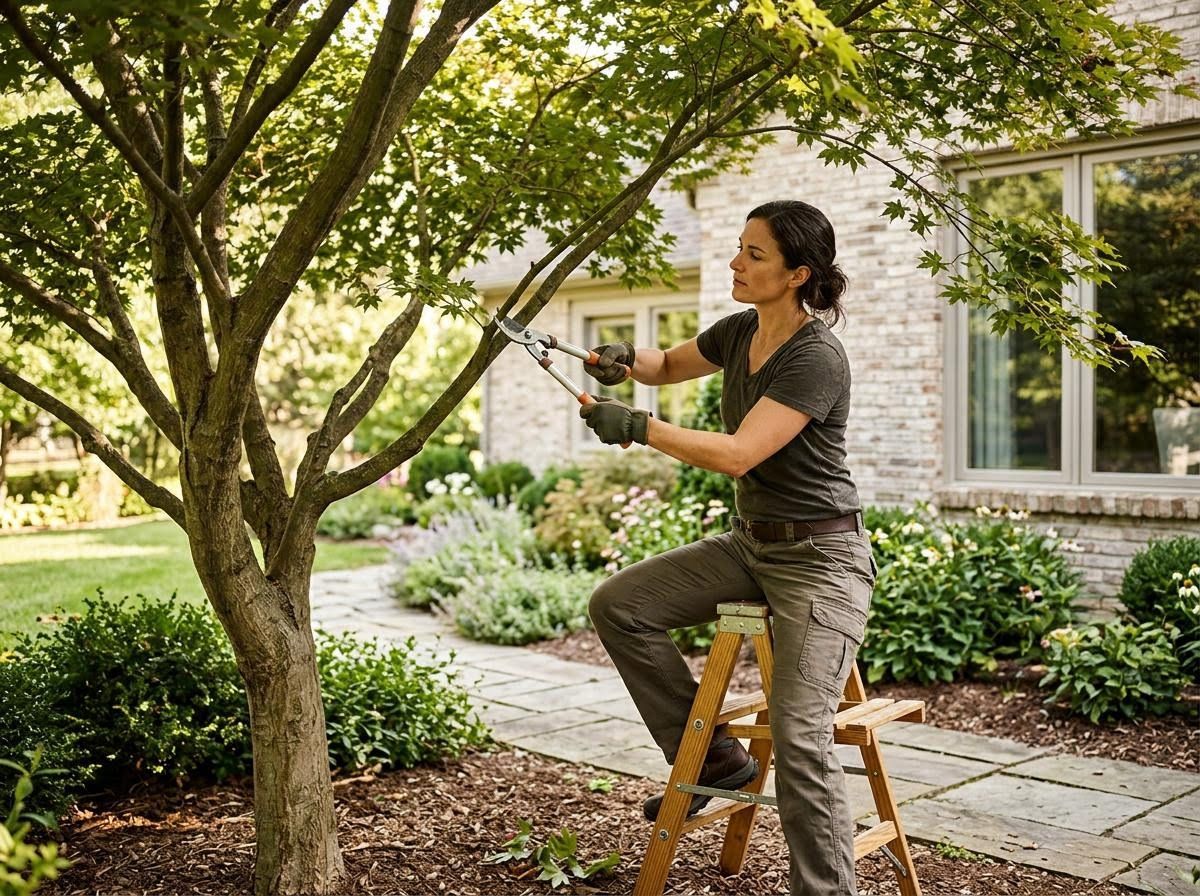
Tree trimming is primarily focused on aesthetics, shape, and maintaining the overall size and neatness of a tree. Think of it as a regular haircut for your trees. This practice typically involves removing smaller branches, overgrowth, or limbs that might be obstructing views, touching your home, or simply making the tree appear unkempt. The main objectives are to control growth, improve the tree's appearance, and ensure it fits harmoniously within your landscape. Routine trimming can also encourage better light penetration and air circulation within the canopy, benefiting the tree's general health and preventing minor issues.
Delving into Tree Pruning: Health and Safety Focused
In contrast, tree pruning is a more specialized and health-oriented practice that involves the selective removal of branches for the benefit of the tree's structural integrity, health, and safety. This can include cutting back dead, diseased, or damaged limbs to prevent the spread of decay or pests. Pruning also addresses structural issues, such as weak branches or those that are growing in an undesirable direction, which could pose a risk during storms or high winds. Beyond safety and health, targeted pruning can also stimulate fruit production in certain species or direct growth in a way that avoids power lines or foundations.
Which Does Your Yard Need? Identifying the Right Service
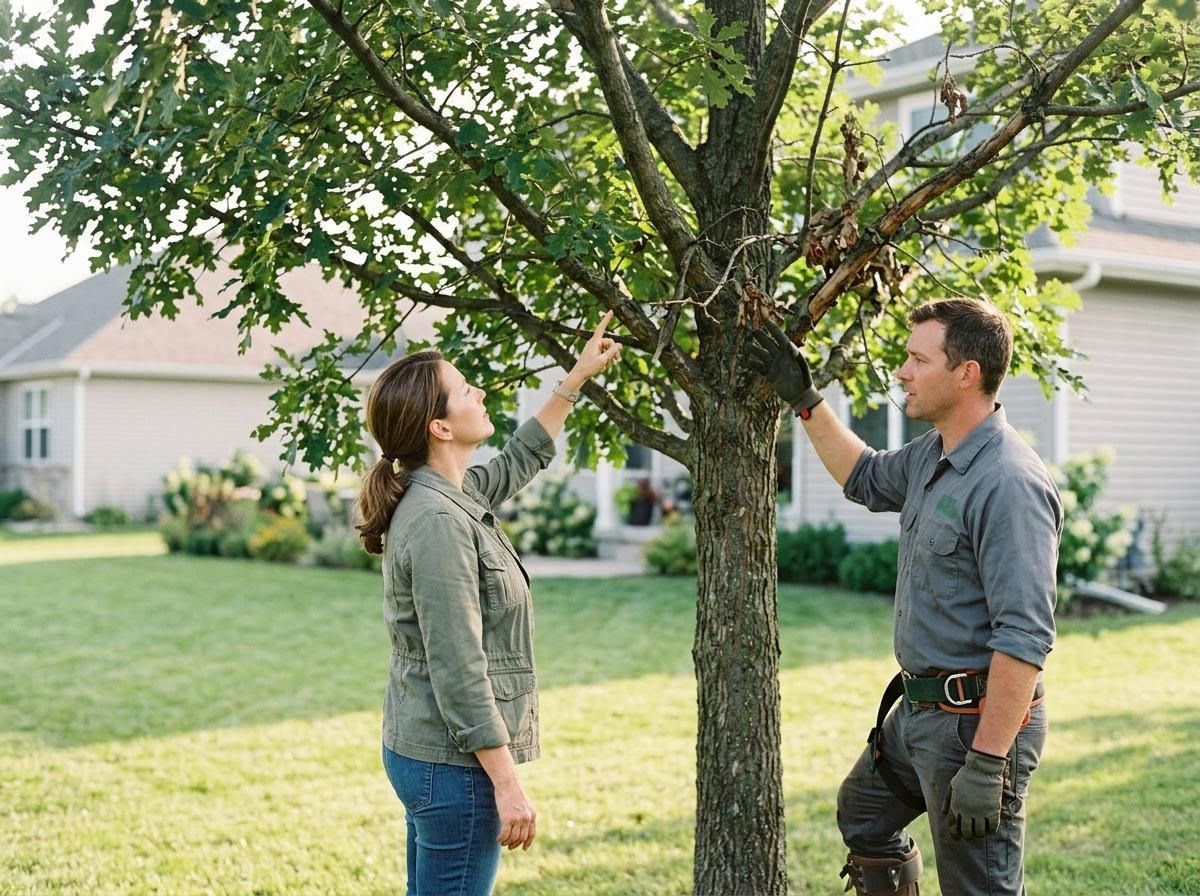
Determining whether your trees need trimming or pruning depends on their current condition and your specific goals. If your tree is simply overgrown, blocking sunlight, or brushing against your house, trimming is likely the appropriate solution for aesthetic improvement and minor clearance. On the other hand, if you notice dead branches, signs of disease, branches rubbing against each other, or limbs that appear weak or hazardous, pruning is essential. This more precise intervention ensures the long-term health of the tree and, more importantly, protects your property and loved ones from potential dangers. Signs like extensive deadwood, significant fungal growth, or branches threatening structures are clear indicators for professional pruning.
The Value of Professional Expertise for Tree Care
While some minor trimming might seem like a manageable DIY task, both trimming and pruning, especially for larger trees or complex issues, carry significant risks and require specific expertise. Improper cuts can severely damage a tree, leading to disease, stunted growth, or even its eventual demise. Professionals understand tree biology, growth patterns, and the correct techniques to ensure cuts are clean, strategic, and promote healthy recovery. They also have the specialized equipment and safety protocols to handle challenging situations, protecting both the tree and your property from harm, and correctly identifying underlying issues that might not be obvious to an untrained eye.
Understanding the difference between tree trimming and tree pruning is vital for effective tree care, ensuring the longevity and safety of your landscape. While trimming focuses on aesthetics and minor maintenance, pruning is a more critical intervention aimed at improving a tree's health, structural integrity, and mitigating potential hazards. If you're unsure which service your trees require or how to approach their care, don't hesitate to seek expert advice. Easy Tree Service offers comprehensive assessments and professional solutions to keep your property beautiful, safe, and problem-free. To learn more about maintaining healthy trees on your property, we invite you to explore our resources.